The ARC CBBC education program plays a crucial role in our consortium’s strategy to equip the next generations of scientists and employees. Our goal is to foster collaborative skills, soft skills, and expertise exchange, complemented by active industry involvement, all while they undergo four years of intensive scientific development.
Part of the education program designed for the ARC CBBC students is the yearly summer school. During these summer schools we offer our students a varied program; interdisciplinary lectures, workshops and a company visit.
This year, instead of the company visit, the students visited CAPTURE in Ghent. CAPTURE is a Flemish research and innovation platform that brings together universities, research institutes, and companies to develop technologies for a circular economy. It focuses on converting CO₂ into valuable products, water reuse, and plastics recycling to accelerate the sustainability transition of industry.
In addition to the visit to CAPTURE, This year’s program consisted of inspiring lectures, peer-to-peer learning sessions, providing plenty of opportunities to connect and to share knowledge with one another.
The first day kicked off with a lecture from prof. Bert Weckhuysen: Advances in Catalytic Valorization of Plastic Waste: Fundamental Insights and Applications, followed by Matteo Gazzani who gave a lecture entitled Planning for a Net-Zero Emissions Chemical Industry: A Technology and System Perspective.
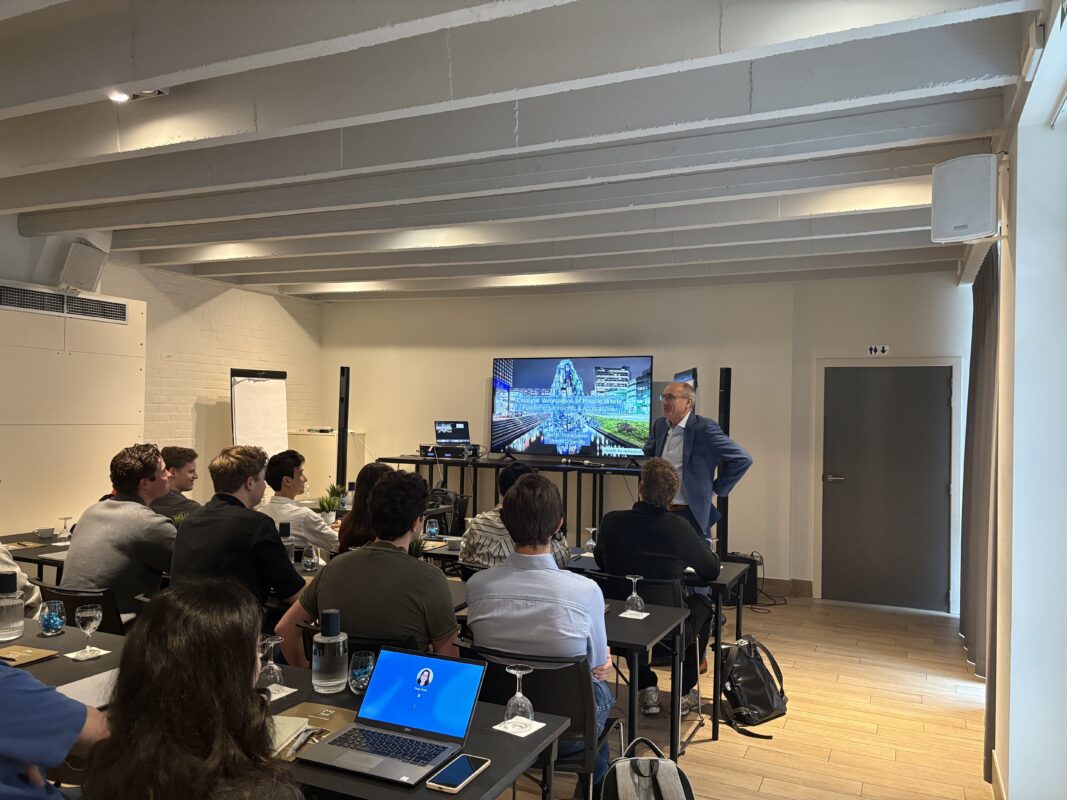
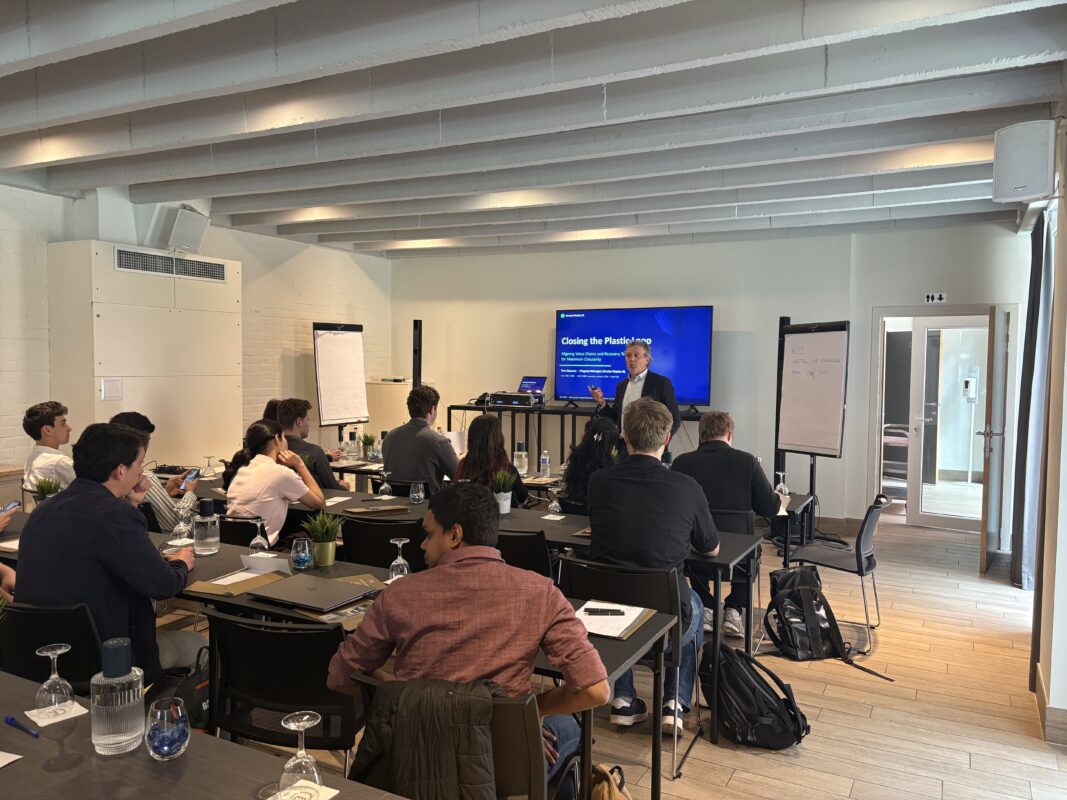
After the lunch break, Tom Claessen, Circular Plastics NL, shared insights on Plastic Circularity – Goals & Milestones: Closing the Plastic Loop.
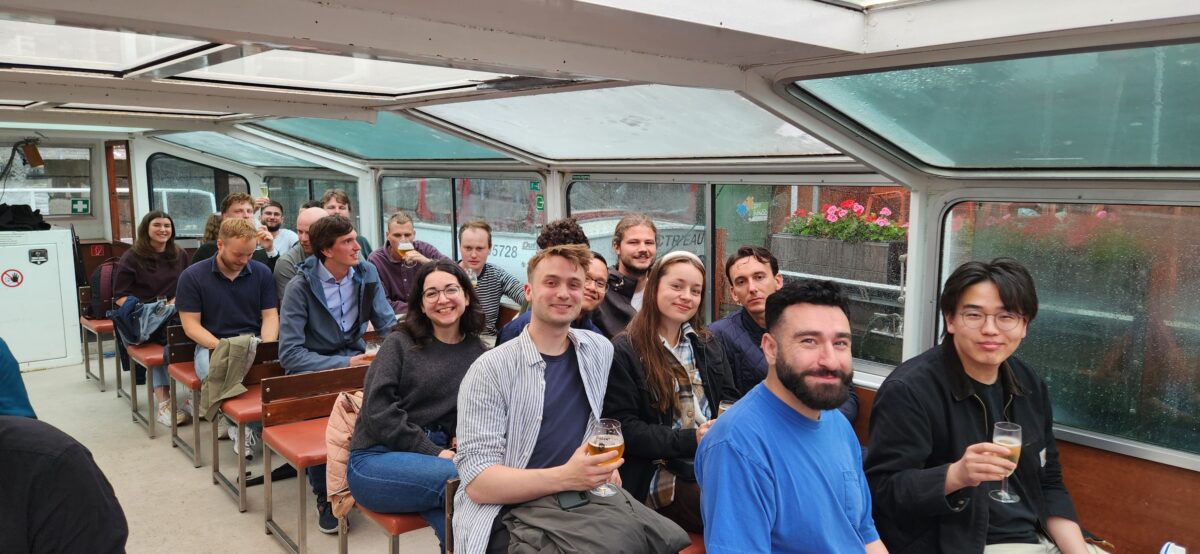
After all these inspiring talks, we had the opportunity to enjoy a guided boat tour through the beautiful city of Ghent. Although it rained, we were comfortably seated in a covered boat and accompanied by a very enthusiastic tour guide.
Visit CAPTURE
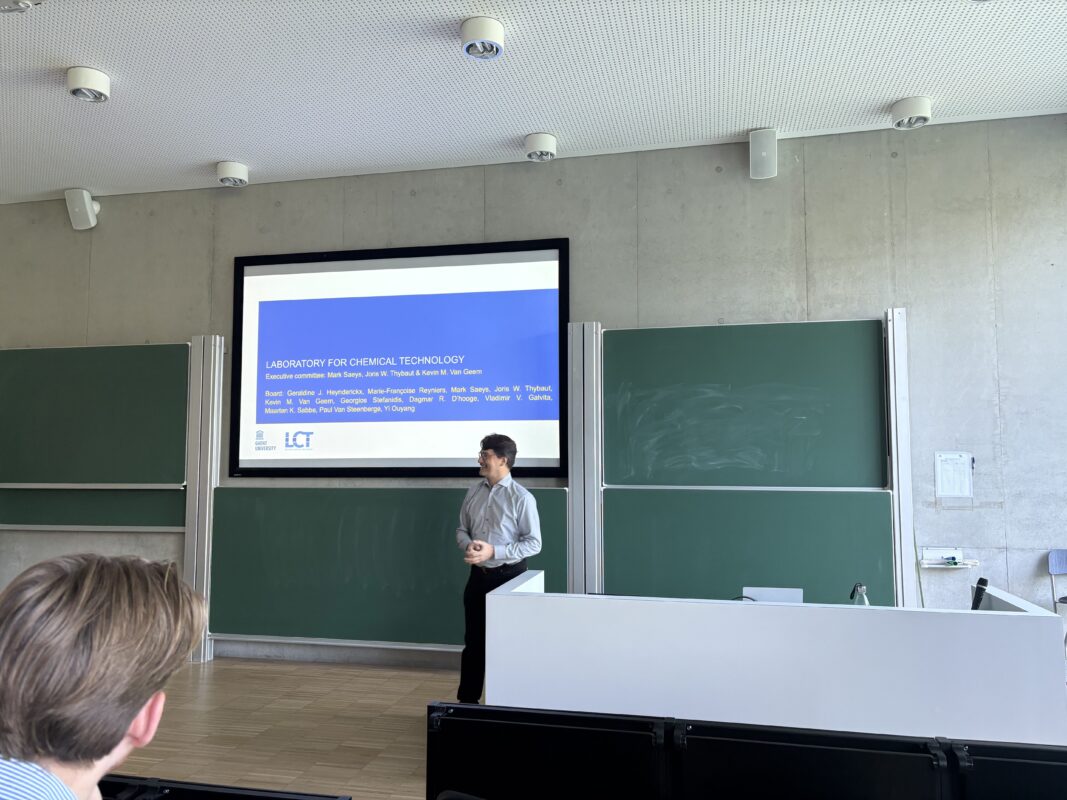
On the second day of the Summer School, the ARC CBBC researchers were welcomed at the Laboratory for Chemical Technology (LCT) at Ghent University, which is part of the Capture platform. The day was dedicated to the kinetics research performed at Capture. After a short introduction by Mark Saeys, there were two lectures from Vladimir Galvita and Joris Thybaut on Temporal Analysis of Products (TAP) and microkinetic modeling respectively.
After the lunch break, Mark Saeys came back to give a talk on Steady State Isotopic Transient Kinetic Analysis (SSITKA). He showed how isotopes can be effectively used to get an understanding of the reaction mechanism. To test the knowledge of the participants in the Summer School after these lectures, there was a short quiz on the topics discussed. Julius Sommer came out top of the class, and he received some typical biscuits from Ghent as a prize. The final lecture of the day was given by Parviz Yazdani who quizzed the ARC CBBC community on their knowledge on catalyst behavior inside chemical reactors. He showed the Eurokin tool which was developed by, amongst others, Ghent University. This tool allows for the implementation of best practice in the area of chemical reaction kinetics.
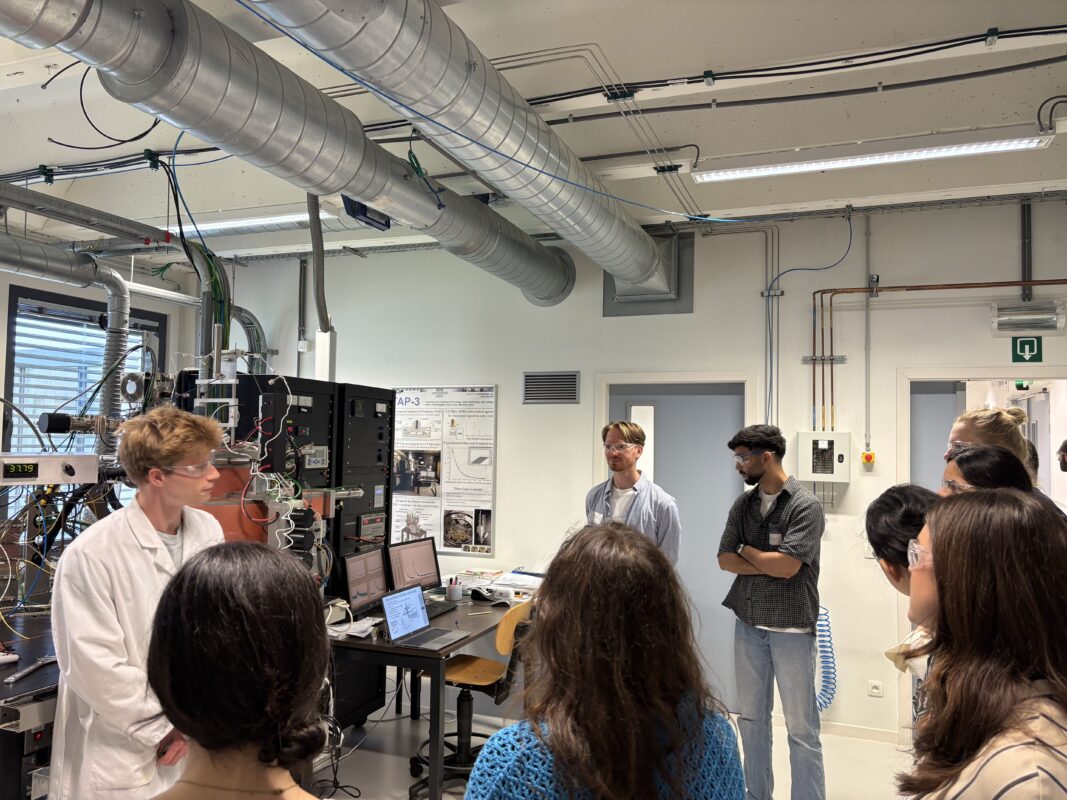
The day at LCT was concluded with a labtour during which we were shown the equipment that was at the core of the talks in the morning. It was impressive to see the TAP reactor, of which there are only 20 in the whole world, and discuss the research performed with the PhD student. The SSITKA equipment was also interesting, as they currently aim to operate it at increasingly higher pressures. Finally, we were shown the high-throughput set-up, in which they can operate 16 catalytic reactors simultaneously. All in all, it was an educative and fun day at Capture!
Community Building: Let's Learn from Each Other
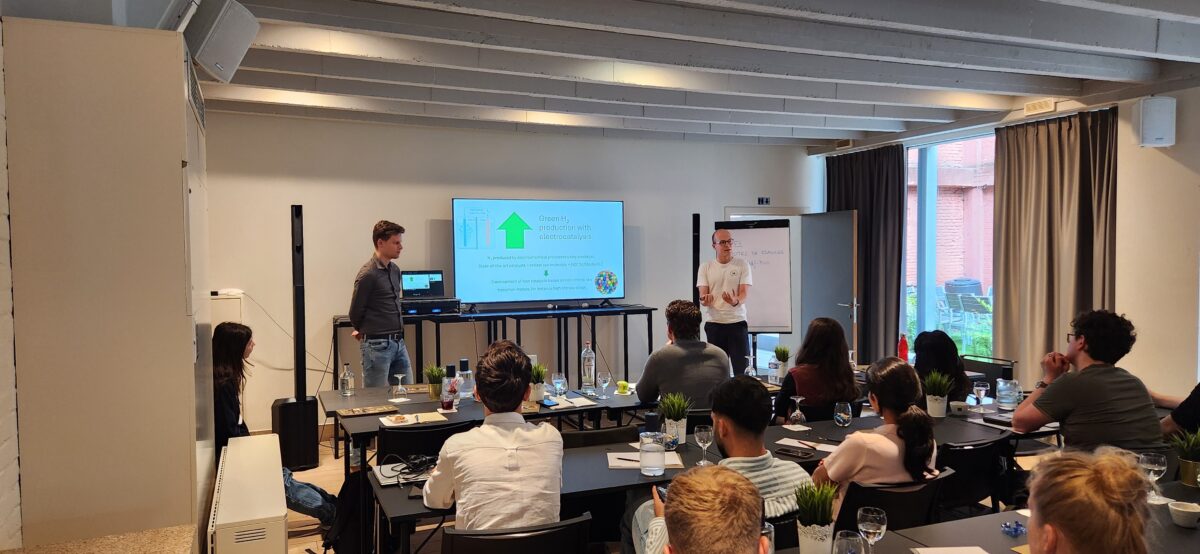
Our peer-to-peer learning sessions were a great success. They provided an excellent opportunity to share methods and expertise, discover new techniques, gain interdisciplinary insights, and strengthen scientific exchange.
The outcomes were clearly visible: new collaborations were initiated, interdisciplinary interactions were encouraged, and scientific exchange was further strengthened.
On the last day the peer-to-peer activities were concluded and the summer school ended with a lecture from Jan Arends, Industrial Innovation Manager at Capture, on Entrepreneurship in the context of sustainable resource recovery.
Share this page


